hotel deals in miami (fl)

mardi 24 février 2015

(SPAIN) Barcelone


Barcelona now has 1.7 million inhabitants, making it the second largest city in Spain, after Madrid. A young city, it hosts a large number of students from around the world that renew and awaken the city at night. Its port and its economic dynamism make the main rival of the capital Madrid. Barcelona also has an artistic ferment. She has seen great masters such as Picasso, Dali and the famous architect Gaudí ... Its cosmopolitan character makes it indispensable cultural hub status.

Above all, it is the capital of the War of Succession. ! Barcelona is proud of its cultural identity. The people speak Catalan and houses the headquarters of the Generalitat, the autonomous government of the province.

History of Barcelona


Barcelona was founded there more than two thousand years ago by the Celts. Later, it is inhabited by the Carthaginians. It truly is growing after its conquest by Rome. Empire actually the capital of the small province of Layetana, they build there the temple of Augustus and surrounding walls.

Barcelona is the object of desire. She, in turn conquered by the Visigoths who make it their capital, and then by the Moors in 712. Charlemagne delivers 801.

The thirteenth to the fifteenth century, Barcelona's golden age. Economic prosperity is combined with the architectural and artistic creativity. A Catalan government is set up at this time. This autonomy is highly threatened in 1714, when Philip V seizes Barcelona during the War of Succession.

The eighteenth and nineteenth centuries were marked by tremendous economic growth. Barcelona is modernizing and expanding. It doubles surface to house a growing population. The Catalan city also becomes important at European level. It hosts the World Expo in 1888 and the International Exhibition in 1929.

During the 1930s, Barcelona suffer many of the civil war. Gradually, she gets up and takes his extraordinary demographic and political growth.

In 1992, Barcelona has the privilege of hosting the Summer Olympic Games. For the occasion, the city is modernizing and implementing a broad historical monuments restoration program.

Today, Barcelona is a growing city. It has preserved its traditions but is looking to the future. This duality is a strength for the capital of Catalonia. It intends to maintain its status as economic hub and its European influence.

A cinephile city:


The Catalan capital hosted the filming of many movies. Started by Cédric Klapisch Spanish Hostel which revealed Romain Duris and Cécile de France. All About My Mother by Pedro Elmodovar had moved Cannes during his presentation at the Festival. Director Tom Tykwer was reconstituted the old Barcelona for the movie Perfume.


We suggest an itinerary that will take as a guiding the works of Gaudi, with stops "défouloirs" where your children can play to their hearts content.

Start with the central artery of Barcelona, ​​La Rambla, very touristy but very nice with animations, mime, statues and men, etc.

Take the metro at Liceu to reach Parc Güell, an architectural wonder of the famous architect Gaudi.

Children will love to walk in the carved arches and sit in one of the corners of the immense bank exuberant mosaics.

The highlight of the site, the houses seem to be gingerbread, sculptures candy, and straight out of a contemporary comics. A treat!

If your brats enjoyed the visit, impress them by making them visit the Sagrada Familia, the unfinished modern cathedral. The ride is fast because the work involved the entire interior of the monument but climb the towers to enjoy the panorama of the city and watch the architectural details: you see them Easter eggs at the top of the towers?

The day was full and rich culture. Take your kids romp in El Tibidabo, a permanent funfair! Program: ghost train, roller coasters and even bungee jumping ??

The next day, take the air Montjuïc Park but plan your route as this mountain, which dominates the south of Barcelona, ​​is immense.

Take the cable car to Parallel Metro Station, which leads directly to the gardens.

Continue on foot to get to the castle (there was another cable car but it is overpriced!).

The various guns and remnants of the Franco period exposed everywhere are sure to challenge your children.
Take a look at the Olympic Stadium and the huge promontory that was used to host the Olympic flame. But Stalinist architecture is a little bit unsettling, reflecting Barcelona.

Visit the Juan Miro Foundation whose visual and colorful art is accessible even to the youngest. If you are in Barcelona in the summer, end your visit with the pool Montjuic, above the funicular.

The third day is reserved for exploring the excellent Aquarium of Barcelona. You will feel like diving into the sea through a long glass tunnel 80 meters through the middle of animal and plant species varied.

The Explora space offers children fifty activities to discover the aquatic life.

Take time to stroll through the narrow streets of Barcelona, ​​such as the Gothic Quarter and Barceloneta (especially its beach in the evening). Avoid Raval neighborhood after dark, the area of ​​prostitutes and trafficking of all kinds.

One last tip: try putting your kids at Spanish time to enjoy the local life: 21h to dine, so plan hearty snacks.


source : http://www.linternaute.com/

lundi 23 février 2015

(JAPAN) Tokyo


Tokyo is the capital of Japan. Tokyo means Eastern Capital and is located in Tokyo Bay overlooking the Pacific Ocean. Tokyo is one of the safest cities in the world. Crime is rare, and relatively safe nights, which lends itself quite well to tourism and travel. His sights are characterized by both their traditional and modern side. Indeed, Tokyo and more generally in Japan, tradition and modernity are linked and are part of everyday Japanese and people of Tokyo without fighting but rather complementing each other. However, Tokyo has the reputation of being the ugliest city in the world that the city was destroyed and rebuilt hastily during the Second World War. EVERY Tokyo tourist site remains a marvel due to its contrast with Western civilization.


 L'agglomération is the densest and most populous in the world with over 30 million inhabitants, far ahead of New York and Mexico City. Tokyo is renowned for being one of the cities where real estate is the most expensive in the world, but some hotels are very affordable for tourists. In Tokyo, the popular outlet locations include: Shibuya, Roppongi and Kabukicho Shimokitazawa. Easily found in Tokyo good little bars and restaurants. Tokyo is also full of nightclubs, with diverse and varied environments and has an unimaginable number of restaurants whose quality is often remarkable. On shopping and price entertainment and other sights of the city, Tokyo is the most expensive city in the world with often astronomical prices. So you need a big budget forecast before leaving.


source : tokyo.site-touristique.com/

(FRANCE) Monaco


We must, at least once in his life a getaway in Monaco. This mythical place between the last rocky alpine lace and velvet blue of the Mediterranean is both dream and reality.


You will have no trouble filling your highest dreams that you are alone, with your partner or family. Romantic getaway, simple sightseeing or business trip, the Principality of Monaco offers a multi-faceted world.

Monaco invites you to all discoveries, a place of culture, museums are particularly numerous, warm welcome in the finest hotels in the world, sumptuous cuisine of world-renowned restaurants or lightness of a kitchen made to your measure.

Everything is done to satisfy you! ! !
Preparing your stay allows to take full advantage of the opportunities the Principality.

source :www.monte-carlo.mc

(ITALY) Venice


Venice ... We immediately think of his famous cabin gondolas on the Grand Canal. What would be Venice without its lagoon? For hundreds of years it has been both barrier and commercial asset to this city of Italy. Its form of "S" inverted she would be a warning to visitors as they arrive in a place Gorgeous, Sensual and Peerless?


Venice is made up of many islands connected by over 400 bridges, creating a maze where only the Venetians are not lost. Along the canals, the facades of palaces recall the prestige and wealth experienced by the city in the Middle Ages and the Renaissance.


How to explain the peculiar veiled atmosphere that floats in Venice? We guess partly through the Venetian painting, but you really come to Venice to taste. This is one of those things that can not be explained and must live to understand. The Serene is an enchanting city that, like a siren will seduce you!

Where to?


The Grand Canal is the symbol of the city. Admire the bridges you cross: the Rialto Bridge, the Accademia Bridge and the Scalzi Bridge Degli.

To maneuver: the famous Venetian gondola, vaporetto, the traghetto (gondola public in which we travel standing), the boat taxi.


MUSEUMS

Your passage in the lagoon city will be an opportunity to learn either on Venetian painting, or on this city out of the ordinary, or both!

To better understand the intricacies of Venetian painting school, go to the Accademia Gallery. You will see amazing paintings as The Gentleman in his office by Lorenzo Lotto or the Storm Giorgione.

This is the Correr Museum you'll have a lot of information about the history of Venice and the traditions and customs of the Venetians.

source :http://www.linternaute.com/

(EGYPTE) Sharm El Sheikh


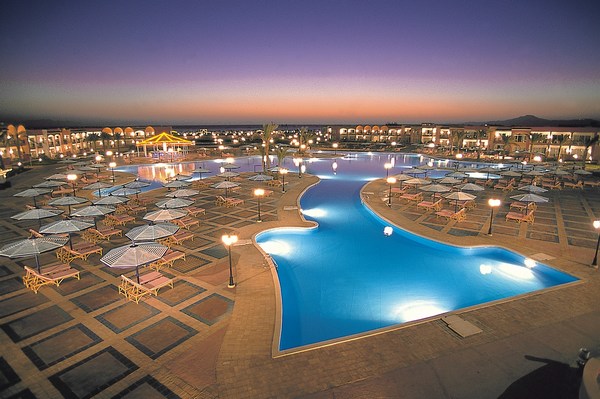
Once sleepy fishing village with little more than a hundred Bedouin, Sharm el Sheikh is now the most popular tourist destination on the Red Sea and a fully equipped station and provided the best diving in the world. Mountains, crystal clear waters, luxury hotels and Desert kilometers combine to make a wonderful destination Sharm year round. Naama Bay is where we find the five-star luxury hotels, beachfront, and diving schools for all levels. Visit the markets, relax on the beach, snorkel or try the nightlife of Sharm.

Sharm El Sheikh offers an impressive range of activities and attractions. The main attraction is diving, which is fantastic in the region. The reefs of Tiran hosting hordes of colorful fish, sharks, barracudas. The Thistlegorm, about five hours off the coast, is a warship that sank the subject of a fascinating dive. But if you do not want to scuba dive and snorkeling in the shallow waters of one of the many beaches of Sharm give you the opportunity to see all kinds of fish. Sun lovers will also find wonderful beaches and bays to make delicious sunbathing.


A jeep safari in the desert will offer visitors the chance to spend the day with nomadic tribes. As for adrenaline junkies, they can try the ride quad or camel in the dunes, then go to Tiba to watch the sunset over the desert, which is breathtaking.

St Catherine's Monastery is perhaps one of the most spectacular sites and interesting of the region. Located at the foot of Mount Sinai, the Greek Orthodox church dating from the 7th century offers stunning views of the Sinai Peninsula. This is not an easy hike, but it is possible to rent a camel, and it is worth starting the trek early enough to see the sun rise.


For some shopping therapy, tourists looking for local crafts will be spoiled for choice, with a lot of gold and silver, as well as bags, slippers and handmade embroidered clothing, and plethora of stalls selling Egyptian cotton.

Eat and Drink in Sharm El Sheikh


With many hotels and restaurants in Sharm, there is something for every taste. There are of course many Arab restaurants where you can sample some of the local specialties such as Egypt foul (beans), falafel, hummus, baba ganoush or (eggplant puree with sesame paste) . Most restaurants also serve fresh fish and seafood, and there is a wide selection of Western restaurants.

Climate in Sharm El Sheikh


The climate of Sharm el-Sheikh is dry all year round. Daily temperatures in winter are on average around 20 ° C. From April to October, temperatures and humidity increase. Avoid going there in August (unless you can stand the heat) where temperatures can reach 40 ° C or more. The season of sandstorms extends from February to April, with an average of two storms of three days per month.

source : www.skyscanner.fr

(EGYPTE) Cairo


Cairo is the largest city in Egypt and even Africa. Dive without hesitation in this world of diversity, noisy and dusty. This city will make you turn your head like a whirlwind.

Lying on both banks of the Nile, the city of Cairo shines especially by his sets of Islamic architecture. Past and present meet without shame. Modern Cairo encompasses ancient monuments, mosques, churches, palaces, lush gardens ??. Next to the hectic life of the city, the Nile remains calm and continues on its way to the sea. Not far away, the majestic Pyramids dominate the city and know enchanted their admirers.

Cairenes are known for their sense of humor and hospitality. Wherever you are, you will feel at home.

History of Cairo

At the time of Pharaonic cities, the capital of the Old Kingdom was called Memphis. With the arrival of Christianity, it became Babylon to the seventh century AD. When it became Arab and Muslim, she took the name of Fustat, which now forms the Old Cairo.


In 642, the city was immensely rich and prosperous thanks to the very fertile land. The Fatimid began the foundations of Al-Qahira, "the Victorious" in 969.

In 1173, the Citadel and Al-Fustat meets Qahira in the same enclosure. There remains from this period many monuments such as the sumptuous Al-Azhar Mosque, a witness of the religious influence of the city.


Then, the city fell into the hands of sultans sadists, but she remained equally successful. It was then that some nicknamed the Mother of the World. It overflowed increasing its enclosure.

From 1863 to the arrival of Ismail in power, the city experienced great changes. Khedive Ismail (Viceroy of Egypt) made a clean sweep of the past and turned Cairo into a true European city.

Since 1960, the Cairo population is growing at a breakneck pace. She knows the highest density in the world at present. The city extends in all directions and buildings nibble increasingly the desert. However, this does not prevent the urban social fabric and solidarity to continue to grow.

source : http://www.linternaute.com/

(ITALY) Roma


Open City ... tourism! With its exceptional heritage, mild and sunny climate, the capital of Italy won every year millions of travelers.
Rome, a city that has long dominated the "civilized world", contains a thousand and one testimonies to its rich past. 400 churches, 300 fountains and countless ruins are the footprints left by every age since the Etruscans.
But Rome can not be locked into this website image "museum". Rome is alive and vibrant capital of Italy. The Romans are there to remind him. Lifestyle Dolce Vita, their Mediterranean temperament, neat and slicked look to perfection, their culinary specialties are just some of the wealth today that the city invites you to discover more quickly ...

The history of Rome :

Legend has it that the city was founded by Romulus and Remus in 753 BC The twins, thrown into the turbulent waters of the Tiber, would have failed on the Palatine Hill. A wolf would have fed them and raised. As an adult, Romulus decided to create this same hill a new city.

From a more practical point of view, the traces of homes in this area date back to about the eighth century BC The Etruscans were living in small villages. This civilization flourished from the seventh century to the late sixth century BC and founded on Capitol Hill a real city.

The Roman Republic was proclaimed in -509. It extended his power throughout the territory of the peninsula through many wars. The general gained influence at the same time. This is how the first mythical figure appeared in the city: Julius Caesar. Refusing to yield to the Senate, he marched on Rome, crossed the Rubicon River - 49 and took power. He proclaimed himself dictator for life of the Republic. At his death (in - 44 BC), his nephew Octavian and his former lieutenant Mark Antony disputed the throne.

They end up agreeing with Lepidus and form a second triumvirate. In -31 after beating Marc Antony, Octavian prevailed as the head of the empire. The Senate recognizes him all authority and awarded him the title of Augustus (meaning "sacred"). Octave worked to unify the provinces which constituted a vast empire around the Mediterranean. His contribution was very important: it ended the civil wars, organized the administration of the Roman provinces and promoted artistic development in Rome.

Followed dozens of more or less authoritarian emperors, tyrannical Caligula, Nero and Domitian, the doers Vespasian, Titus, Trajan, Hadrian.

With the decline experienced by Rome from the third century AD, Christianity grows. Two facts will sit this religion in the peninsula: the Edict of Milan in 313, which allows the building of churches and religious practice, and the conversion of Emperor Constantine. From there, Christian worship is spreading and the church structure. The Bishop of Rome, the most important city of the Empire, by force of the highest things in the hierarchy. He was given the name of pope, Latin father.

The Popes have strongly contributed to the development and artistic enrichment of Rome. During the Renaissance, they entrusted the construction and decoration of churches to great artists. This is Sixtus IV that one must create the Sistine Chapel. Then Julius II commissioned Michelangelo to decorate the ceilings. Other influential popes, history remembers Pope Pius II, Clement, Sixtus V and Paul III.


10 years after the unification of Italy in 1861, Rome officially became the capital in 1871. In 1929, the Lateran agreements give the pope an independent state: the Vatican.

source : www.linternaute.com